cenbifyn

Hydraulic Cylinders for Extreme Environments: A Complete Guide to Performance and Reliability

When operating conditions push beyond standard industrial limits, hydraulic cylinders for extreme environments become mission-critical components. In these applications, the right specification can determine the success or failure of an entire operation. Problem: What design features and material specifications enable hydraulic cylinders to perform in extreme environments — from arctic cold to desert heat, corrosive […]

Hydraulic Cylinders for Extreme Environments: A Complete Guide to Performance and Reliability Read More »

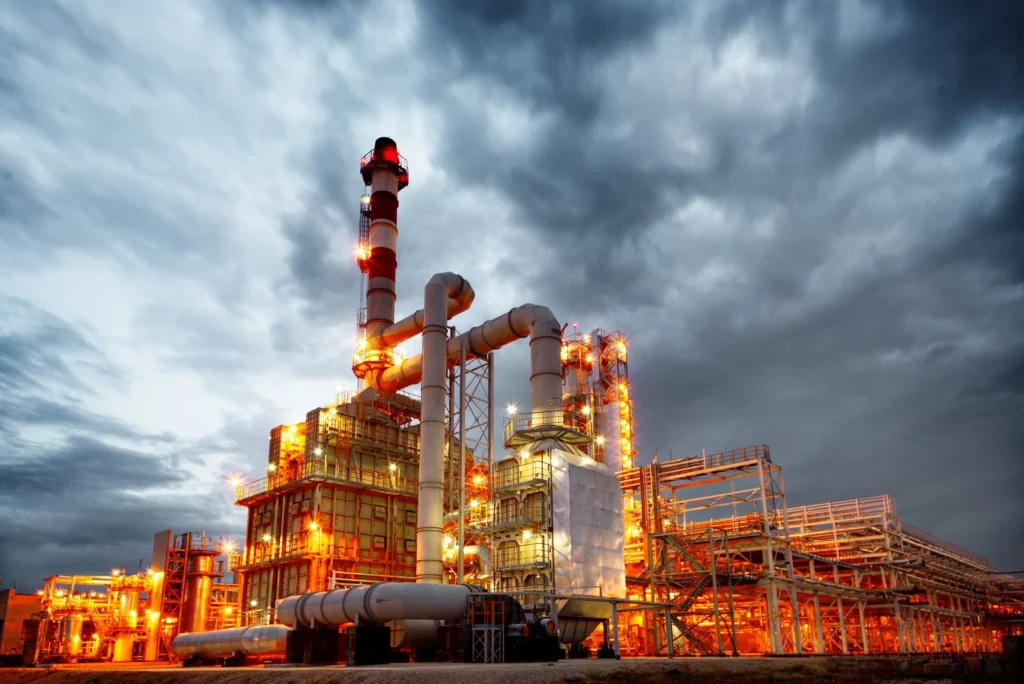
high-pressure-hydraulic-cylinders-oilfield-01

High Pressure Hydraulic Cylinders for Oilfield Equipment: Ensuring Reliability Above 5000 PSI

High pressure hydraulic cylinders are the backbone of oilfield equipment performance. When they fail, the consequences go far beyond downtime — they include safety incidents and millions in lost production. Problem: Why do standard hydraulic cylinders fail prematurely in oilfield environments? And what specifications define equipment that can sustain operation above 5000 PSI? Answer: The

High Pressure Hydraulic Cylinders for Oilfield Equipment: Ensuring Reliability Above 5000 PSI Read More »

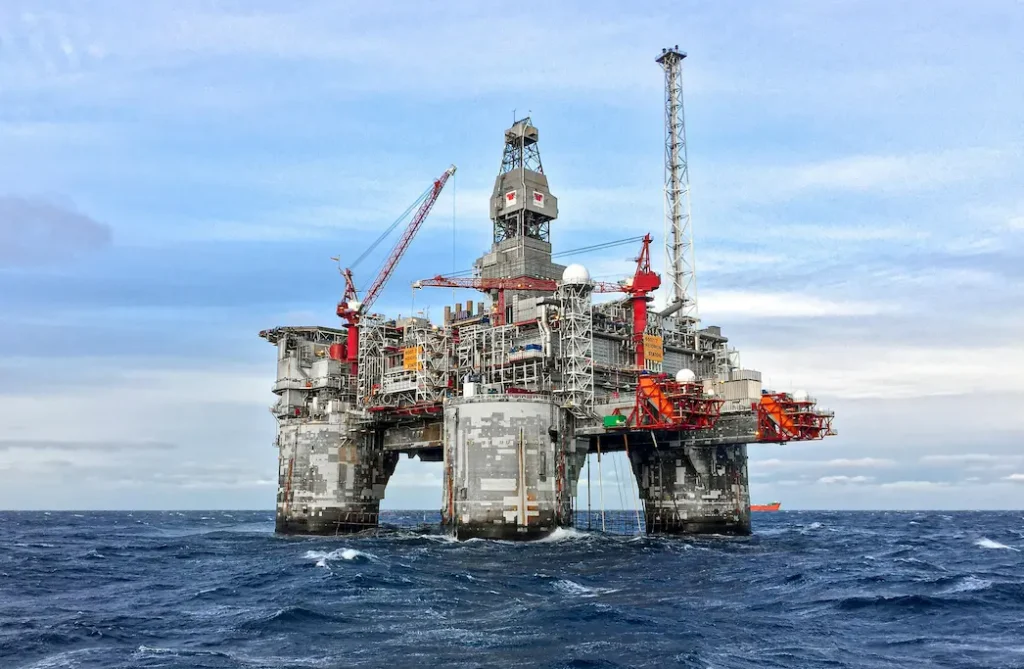
260417-oil-platforms

Corrosion Resistant Hydraulic Cylinders: Engineered for Offshore and Saltwater Environments

In marine and offshore operations, corrosion resistant hydraulic cylinders are the difference between decades of reliable service and premature failure. Standard cylinders that perform well onshore can fail within months when deployed offshore. Problem: Why do standard hydraulic cylinders fail so rapidly in saltwater environments? And what technologies actually deliver the corrosion resistance needed for

Corrosion Resistant Hydraulic Cylinders: Engineered for Offshore and Saltwater Environments Read More »

offshore-hydraulic-cylinders

Offshore Hydraulic Cylinders for Harsh Marine Conditions

The offshore petroleum industry operates at the intersection of two of the most corrosive environments known to engineering: seawater and hydrocarbon fluids. When a hydraulic cylinder fails on a platform operating 200 kilometers from shore, the cost of replacement extends far beyond the component price. Diving support vessels, production shutdowns, and HSE risks combine to

Offshore Hydraulic Cylinders for Harsh Marine Conditions Read More »

hydraulic-systems-drilling-rigs

Hydraulic Systems in Drilling Rigs Explained

A modern drilling rig contains thousands of discrete mechanical components, yet the hydraulic system functions as the circulatory system that powers movement throughout the entire operation. From the massive hooks that suspend thousands of tons of drill string to the precision-controlled slips that grip pipe during connections, hydraulic systems in drilling rigs enable the controlled

Hydraulic Systems in Drilling Rigs Explained Read More »

Hydraulic Cylinders in Oil and Gas Industry Applications

When hydraulic systems fail in an offshore platform, the consequences extend far beyond simple equipment downtime. A single unplanned shutdown on a deepwater drilling operation can cost operators over $1 million per day. This stark reality explains why hydraulic cylinders in oil and gas applications demand such meticulous engineering and selection criteria. If you manufacture

Hydraulic Cylinders in Oil and Gas Industry Applications Read More »

green-hydraulic-technology-oil-industry-2026

Low-Leakage Hydraulic Systems for the Oil Industry: 2026 Sustainability & ROI Guide

Every year, the global oil and gas industry quietly loses more than 500 million liters of hydraulic fluid — not to catastrophic blowouts, but to slow, overlooked leaks. One liter of spilled hydraulic oil can contaminate up to one million liters of groundwater. A single unplanned shutdown can cost upwards of $100,000 per hour. And

Low-Leakage Hydraulic Systems for the Oil Industry: 2026 Sustainability & ROI Guide Read More »

How to Ensure Safety and Reliability for Hydraulic Cylinders Above 5000 PSI?

Q: Does thicker always mean safer? Is there a scientific approach to hydraulic cylinder wall thickness calculation and safety factor selection? A: Accurate hydraulic cylinder wall thickness calculation is the foundation of safe design — not simply adding more material. Over-engineering only increases cost and weight.Over-engineering only increases cost and weight. This guide walks through

How to Ensure Safety and Reliability for Hydraulic Cylinders Above 5000 PSI? Read More »

Hydraulic Sealing for Oil and Gas equipment: How to Select and Apply Seals for Extreme Conditions?

For engineering teams, achieving reliable Hydraulic Sealing for Oil and Gas equipment is the foundation of system safety in extreme environments. Problem: Does frequent leakage in hydraulic systems solely stem from poor seal quality? Answer: Not necessarily. Failure often originates from “incorrect selection” rather than “quality defects.” This guide analyzes how to scientifically select and

Hydraulic Sealing for Oil and Gas equipment: How to Select and Apply Seals for Extreme Conditions? Read More »

Hydraulic Cylinders for Oil & Gas: Building Reliability in 2026

In the energy industry, choosing the right Hydraulic Cylinders for Oil & Gas is critical for long-term reliability in mission-critical equipment. How can we prevent costly hydraulic cylinder failures in oil & gas transportation equipment? Through systematic quality control across 8 key manufacturing stages—from engineering design to final delivery. This guide shares proven technical practices

Hydraulic Cylinders for Oil & Gas: Building Reliability in 2026 Read More »