When operating conditions push beyond standard industrial limits, hydraulic cylinders for extreme environments become mission-critical components. In these applications, the right specification can determine the success or failure of an entire operation.
Problem: What design features and material specifications enable hydraulic cylinders to perform in extreme environments — from arctic cold to desert heat, corrosive offshore spray, and chemically aggressive processes?
Answer: Standard hydraulic cylinders are engineered for -20°F to +180°F with moderate contamination protection. Hydraulic cylinders for extreme environments require fundamental design changes: specialized elastomers, advanced coatings, reinforced structures, and multi-stage sealing systems. This guide provides a comprehensive analysis of environment-specific engineering requirements, material selection strategies, and performance validation methods.
Extreme environments push hydraulic cylinder technology to its limits. Temperatures in Siberian oilfields plunge below -60°F. Middle Eastern drilling operations face +140°F heat and sandstorms. North Sea offshore platforms endure constant salt spray and H₂S exposure. Each environment creates unique engineering challenges.
Understanding how to specify and maintain hydraulic cylinders in extreme environments requires knowledge that goes far beyond standard catalog specifications. This guide examines five major categories of extreme conditions, the failure modes each creates, and the engineering solutions that enable reliable operation.
The Five Categories of Extreme Hydraulic Environments
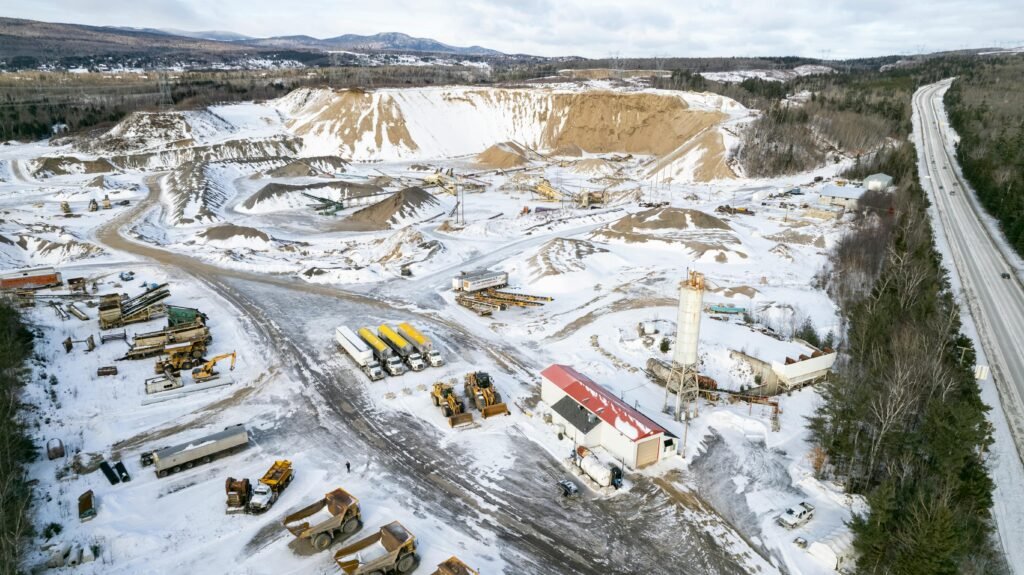
1. Extreme Low Temperature Environments
Low temperatures create unique challenges for hydraulic cylinders in extreme environments. The primary impact falls on elastomer properties and hydraulic fluid behavior.
Material Challenges: Below -40°F, standard nitrile rubber seals become brittle and lose elasticity. This leads to permanent deformation and leakage. Hydraulic fluids thicken significantly, which can cause pump cavitation and slow cylinder response. Metal components also contract at different rates, potentially causing binding or excess clearance.
Engineering Solutions: Specialized low-temperature elastomers address the seal problem directly. HNBR (Hydrogenated Nitrile Butadiene Rubber) maintains flexibility down to -65°F, while fluorosilicone compounds extend that capability to -80°F. For the most extreme cold, PTFE composite seals perform reliably from -320°F to +500°F, making them the material of choice in arctic applications.
Thermal management provides a complementary layer of protection. Integrated heating elements or pre-heated hydraulic fluid systems keep operating temperatures within acceptable ranges. Engineers also specify increased running clearances to compensate for differential thermal contraction between dissimilar metals.
Critical Applications: Arctic oil and gas drilling, polar research equipment, cold storage facilities, and high-altitude aerospace ground support all require hydraulic cylinders for extreme environments with specialized low-temperature designs.
2. High Temperature and Thermal Cycling Environments
High temperatures accelerate material degradation and introduce thermal expansion challenges that can severely affect hydraulic cylinders in extreme environments.
Failure Modes at Elevated Temperatures: Above 200°F, elastomer seals begin to degrade and take on permanent compression set. At the same time, hydraulic fluid breaks down, forming varnish deposits and losing its lubricating properties. Thermal expansion causes binding between piston rod and gland components. In high-strength steel components, sustained elevated temperatures can reduce material strength as the steel approaches its tempering range.
Engineering Solutions: The seal material is the first line of defense. FKM (Viton®) elastomers provide reliable performance to 400°F. For higher temperatures, FFKM perfluoroelastomers extend that capability to 600°F. PEEK (Polyether Ether Ketone) composite components offer excellent mechanical properties to 482°F and resist chemical attack at elevated temperatures.
Managing heat at the system level is equally important. Reflective insulation and water cooling jackets isolate cylinder components from radiant heat sources. Synthetic hydraulic fluids — such as polyol esters or phosphate esters — maintain viscosity stability where mineral oils would break down. Specialized cylinder designs also incorporate expansion compensation to handle differential thermal growth between steel components.
Industry Applications: Steel mills, glass manufacturing, foundry operations, and geothermal energy production are typical applications that require hydraulic cylinders for extreme environments with high-temperature capability.
3. Corrosive and Chemically Aggressive Environments
Chemical exposure is one of the most destructive forces acting on hydraulic cylinders in extreme environments. It attacks metal components and elastomer seals at the same time.
Common Corrosive Agents: Saltwater and salt spray introduce chloride ions that cause pitting corrosion on steel surfaces, penetrating through any defects in the coating. H₂S causes hydrogen embrittlement in steel and degrades many elastomer materials. Chemical processing environments add sulfuric acid, hydrochloric acid, caustic soda, and other aggressive agents to the mix. Process fluids such as drilling muds, production chemicals, and cleaning solutions each create their own compatibility challenges.
Corrosion Protection Strategies: Material selection is the foundation. Alloys such as 316L stainless steel, duplex stainless, nickel alloys, and titanium offer inherent corrosion resistance without relying solely on coatings. Where carbon steel is used, advanced surface treatments provide barrier protection — laser cladding (Eatonite), HVOF thermal spray ceramics, and electroless nickel are all proven options. Furthermore, cathodic protection through sacrificial zinc or aluminum anodes adds another layer of defense. For seals, FFKM elastomers provide near-universal chemical resistance, while PTFE handles most acid and base environments effectively.
Critical Note: Hydraulic cylinders for extreme environments with chemical exposure require material compatibility testing before deployment. Even minor chemical constituents can cause rapid degradation of the wrong materials.
4. Abrasive and Particulate Environments
Particulate contamination causes accelerated wear to sealing surfaces and cylinder bores, creating special challenges for hydraulic cylinders in extreme environments.
Particulate Sources and Effects: Desert sand — fine silica particles with a Mohs hardness of 7 — causes severe three-body abrasion to rod seals. Mining dust, including ore particles and rock dust, creates abrasive wear and embeds itself into seal materials. Construction environments add concrete dust, aggregate, and dirt that contaminate wiper seals. Internally, wear particles from system components circulate through the hydraulic fluid and cause abrasive damage to seals throughout the circuit.
Protection Engineering: Surface hardening is the foundation. Induction hardening, laser cladding, or HVOF coatings raise surface hardness above 60 HRC, creating a wear-resistant base that withstands abrasive particle impacts.
Beyond surface hardening, sealing architecture provides the next layer of defense. Multi-stage wiper systems — metallic scrapers, followed by polyurethane wipers, then lip seals — remove particles progressively before they reach critical surfaces. In the most severe applications, rod boots and bellows completely isolate the piston rod from the external environment.
Finally, system-level filtration rounds out the protection strategy. Air purge systems maintain positive pressure inside the cylinder gland, blocking contamination ingress. High-efficiency return line and pressure filtration consequently keep fluid cleanliness at ISO 4406 17/15/12 or better, controlling the internal contamination that circulates within the hydraulic system.
5. Subsea and High Hydrostatic Pressure Environments
Subsea applications represent the ultimate challenge for hydraulic cylinders for extreme environments. They combine extreme external pressure, continuous corrosion exposure, and severely limited maintenance access.
Unique Subsea Challenges: At 3,000-meter depth, external hydrostatic pressure reaches up to 10,000 PSI — roughly equivalent to 500 tons of force on every square foot of cylinder surface. This pressure differential must be actively managed, or it will collapse cylinder components not designed for subsea use.
Continuous saltwater immersion creates unrelenting corrosion conditions that demand robust cathodic protection. Subsea systems must also accommodate pressure compensation to balance internal and external pressures. Since human divers cannot work at these depths, all maintenance and intervention relies on ROVs. Typical design lives of 20+ years are standard — there is little margin for premature failure.
Subsea Engineering Solutions: Pressure balanced designs address the hydrostatic challenge first. Diaphragm or piston accumulators actively compensate for the pressure differential at depth, protecting internal components from collapse loading.
Material selection is equally critical. Super duplex stainless steel (25% Cr) provides the structural strength and corrosion resistance needed for long-term subsea service. Dual sealing systems — with external seals blocking seawater ingress and internal seals containing hydraulic fluid — create redundant protection against seal failure. Integrated sacrificial anodes provide cathodic protection against galvanic corrosion. Synthetic hydraulic fluids, such as water-glycol or synthetic ester formulations, offer both reliable performance and environmental acceptability in sensitive marine ecosystems.
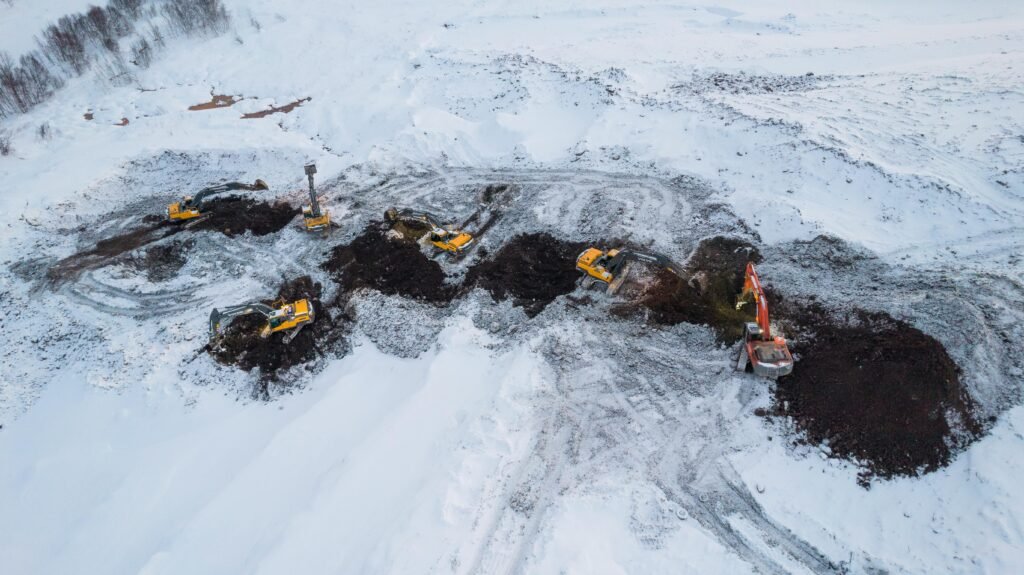
Comparative Performance Analysis: Extreme Environment Solutions
| Environment Type | Standard Industrial | Specialized Extreme | Typical Failure Mode | Key Performance Metric |
|---|---|---|---|---|
| Low Temperature | -20°F minimum | -85°F capability | Seal embrittlement and cracking | Glass transition temperature (Tg) |
| High Temperature | +180°F maximum | +450°F continuous | Compression set and fluid degradation | Thermal stability index |
| Corrosion (Salt Spray) | 96 hours resistance | 2,000 hours resistance | Pitting and coating delamination | ASTM B117 hours to first rust |
| Abrasion Resistance | 1 million cycles | 10+ million cycles | Seal wear and rod scoring | Taber abrasion weight loss |
| Subsea Depth | Surface only | 3,000 meters capability | Pressure collapse and water ingress | External pressure rating |
| Chemical Resistance | Petroleum fluids only | Broad chemical compatibility | Elastomer swelling/dissolution | Volume change after immersion |
The table shows that hydraulic cylinders for extreme environments deliver order-of-magnitude improvements over standard industrial equipment. The cost of specialized engineering is typically far lower than the cost of failure in these applications.
Selection Principle: Always apply the “limiting factor” principle when specifying hydraulic cylinders in extreme environments. The component with the lowest environmental resistance determines the system’s overall capability. Even if all metal components are rated to 400°F, a seal limited to 250°F becomes the system’s weak point.
Case Studies: Hydraulic Cylinders in Extreme Environments
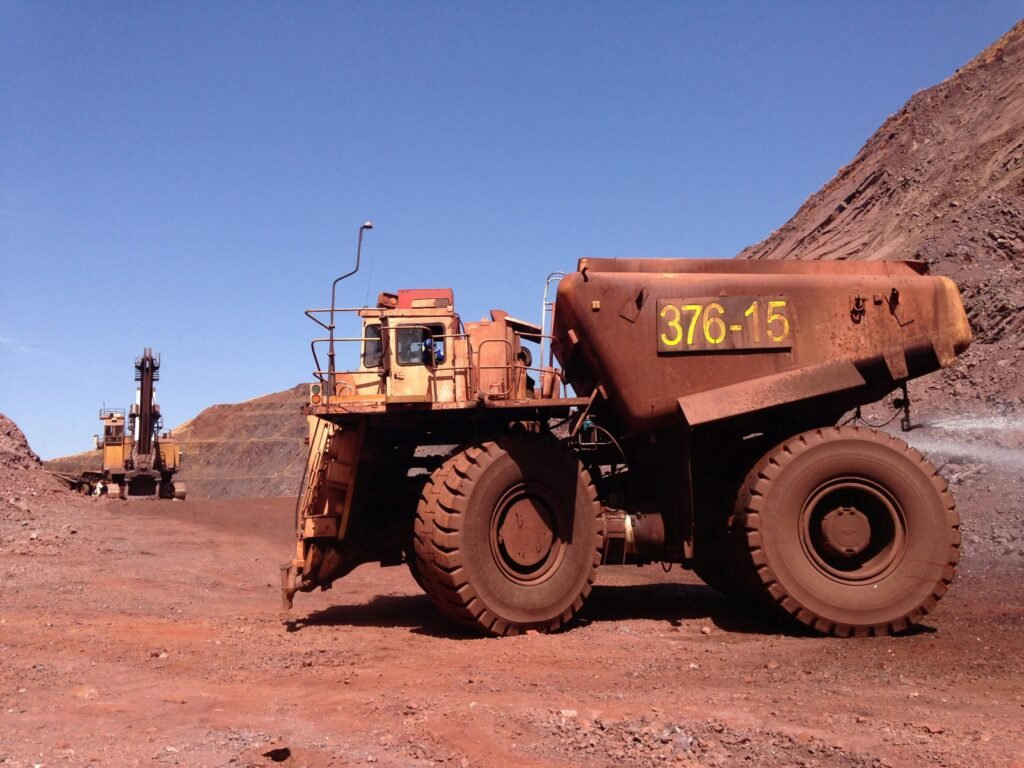
Hypothetical Scenario: Arctic Oilfield Operation in Northern Siberia
Challenge: A Russian oilfield operator needed hydraulic cylinders for wellhead control equipment above the Arctic Circle. Winter temperatures regularly reached -58°F (-50°C), with extreme cold snaps to -76°F (-60°C). Standard cylinders experienced complete seal failure within two weeks of winter deployment, costing an estimated $180,000 per day in lost production.
Cenbifyn Solution: We engineered specialized hydraulic cylinders for extreme environments built around low-temperature HNBR seals rated for -85°F continuous operation. PTFE composite piston seals with stainless steel anti-extrusion rings handled the piston sealing. We specified low-temperature polyglycol hydraulic fluid with viscosity index improvers to maintain system response in extreme cold.
Additional features included integrated electrical heating elements for gland and fluid preheating, increased running clearances to compensate for thermal contraction, and stainless steel piston rods with PTFE-impregnated electroless nickel coating. Every cylinder underwent cold chamber testing at -85°F before shipment.
Results: Over three consecutive arctic winters, the cylinders recorded zero seal failures and maintained full operating capability. Production downtime from hydraulic cylinder issues was eliminated entirely. The operator estimated savings of $27 million and standardized this design across their entire arctic fleet.
Hypothetical Scenario: Chemical Processing Plant Acid Handling System
Situation: A chemical manufacturing facility planned to install hydraulic cylinders for automated valve actuation on a concentrated sulfuric acid processing line. The application involved 140°F ambient temperatures and occasional acid splash exposure.
Critical Design Considerations: Standard carbon steel would corrode rapidly in this environment, so the design required 316L stainless steel or Alloy 20 for all wetted components. For seals, Viton® (FKM) provides good acid resistance, while FFKM is the better choice for extended service life. External surfaces needed epoxy paint systems with chemical resistance certification. Sealed glands prevented acid vapor ingress, and the design prioritized easy seal replacement without full disassembly.
Recommended Approach: Engineering teams should conduct material immersion testing with the actual process fluids before finalizing the specification. Redundant sealing systems and secondary containment for hydraulic fluid prevent cross-contamination. A predictive maintenance program with regular seal condition monitoring rounds out the approach.
Frequently Asked Questions (FAQ)
Q1: How do I determine if my application requires hydraulic cylinders for extreme environments? A1: Specify extreme environment cylinders if any of these conditions apply: operating temperatures outside -20°F to +180°F, exposure to corrosive chemicals or saltwater, particulate levels exceeding standard industrial conditions, subsea deployment, or a required service life of 20+ years without maintenance. When in doubt, apply the 2x rule — if conditions exceed standard specifications by more than double, specialized design is warranted.
Q2: Can I upgrade standard cylinders with better seals to achieve extreme environment performance? A2: Rarely. Seal upgrades alone are not sufficient for hydraulic cylinders in extreme environments. Material compatibility, clearance requirements, structural design, and thermal management often require fundamental engineering changes from the ground up. Seal upgrades may extend service life in marginal conditions, but true extreme environment performance requires systems-level engineering from initial design.
Q3: What testing validates hydraulic cylinder performance in extreme environments? A3: Comprehensive validation includes environmental chamber testing for temperature extremes, ASTM B117 salt spray testing for corrosion resistance, fluid immersion testing for chemical compatibility, pressure cycling at temperature extremes, and vibration testing for mobile applications. Third-party certification per DNV-GL, API, or NORSOK provides additional assurance for critical applications.
Q4: How does temperature affect hydraulic cylinder force output? A4: Temperature primarily affects hydraulic fluid viscosity. At extremely low temperatures, high viscosity can reduce effective pressure by 20-30%. At high temperatures, reduced viscosity increases internal leakage past piston seals, potentially cutting output force by 10-15%. Proper fluid selection and system design compensate for both effects.
Q5: What maintenance intervals are recommended for hydraulic cylinders in extreme environments? A5: Maintenance frequency scales with severity. Moderate extreme environments (temperature only) require inspection every 6 months. Severe environments combining corrosion and temperature need inspection every 3 months. Critical subsea applications may use continuous monitoring with ROV intervention. Always adjust intervals based on actual operating experience.
Q6: How do I select the correct hydraulic fluid for extreme environment applications? A6: Evaluate factors in this order: temperature viscosity requirements (target 15-100 cSt operating range), material compatibility with seals and paints, fire resistance requirements, environmental acceptability (especially offshore), and pump manufacturer specifications. Synthetic fluids typically offer 2-4 times the temperature range of mineral oil-based fluids.
Q7: What is the cost premium for hydraulic cylinders for extreme environments? A7: Premiums vary by application: low-temperature specialization adds 20-40%, high-temperature capability adds 30-60%, corrosion-resistant designs add 50-150%, and subsea-rated cylinders can cost 200-400% more than standard equivalents. In most extreme environment applications, however, a single failure event costs more than the entire premium — making specialized engineering a sound investment.
Conclusion
Hydraulic cylinders for extreme environments represent the highest level of hydraulic engineering. Advanced materials science, precision manufacturing, and rigorous testing combine to deliver performance where standard equipment would fail rapidly.
Moreover, one principle applies across all five environment categories: system performance is limited by the weakest component. Consequently, successful engineering requires holistic design — from the largest structural element to the smallest O-ring, from base material to surface coating.
As industries push into deeper wells, colder arctic regions, and hotter industrial processes, demand for specialized hydraulic solutions will therefore continue to grow. Investing in properly engineered equipment with comprehensive performance validation is not just good engineering — it is essential risk management for operations where failure is not an option.
Why Choose Cenbifyn for Hydraulic Cylinders Extreme Environments Solutions?
Comprehensive Environment Testing Capabilities: Our in-house environmental laboratory conducts temperature cycling from -100°F to +500°F, ASTM B117 salt spray testing up to 2,000 hours, chemical immersion analysis, and pressure cycling at extreme temperatures. As a result, your hydraulic cylinders for extreme environments perform as specified before they leave our facility.
Advanced Material Science Expertise: Furthermore, we maintain a material database covering 50+ elastomer compounds, 25+ metal alloys, and 15+ coating technologies. This depth of knowledge consequently enables optimal material selection for any combination of extreme conditions.
Custom Engineering Capabilities: In addition, every application receives individual engineering attention. We never fit extreme environment requirements into catalog standard designs. Instead, our team develops fully customized solutions optimized for your specific operating conditions.
Global Certification Support: Moreover, we provide complete documentation and testing support for DNV-GL, API 6A, NORSOK, ATEX, and IECEx certification requirements, ensuring compliance with the most stringent industry standards.
Life Cycle Performance Guarantee: Finally, Cenbifyn backs our extreme environment solutions with extended warranty coverage and performance guarantees. We also offer predictive maintenance programs and condition monitoring technologies to maximize service life and minimize unplanned downtime.